What Is Menopause?
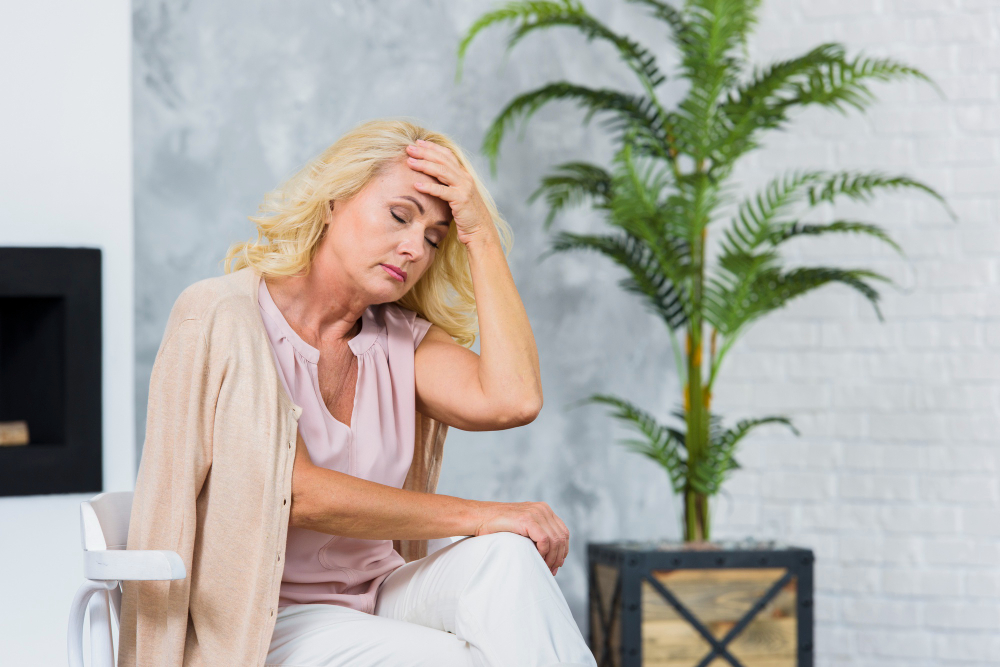
Menopause is a natural stage in a woman’s life. It usually happens between ages 45 and 55. During menopause, the body stops having monthly periods. This change means the ovaries make less estrogen and progesterone. Because of this, women may notice new symptoms. Understanding menopause helps in managing menopause symptoms better.
Common Symptoms of Menopause
Many women experience different symptoms during menopause. Some symptoms are mild, while others can be more bothersome. For example, you may notice changes in your body or mood. Here are some common symptoms:
However, not everyone will have all these symptoms. Each woman’s experience is unique.
Natural Ways to Manage Menopause Symptoms
Many women look for natural remedies for menopause. These methods can help relieve discomfort without medicine. For instance, some lifestyle changes and home remedies may ease symptoms. Here are some natural ways to manage menopause symptoms:
Still, natural remedies for menopause may not work for everyone. It is important to talk to a healthcare provider before starting any new supplement.
Medical Treatments for Menopause Symptoms
Sometimes, natural methods are not enough. In these cases, medical treatments for menopause symptoms can help. Doctors may suggest different options based on your needs. Here are some common medical treatments:
However, each treatment has risks and benefits. Therefore, always discuss options with your doctor before starting any medicine.
Lifestyle Tips for Menopause Relief
Simple lifestyle changes can make a big difference. For example, healthy habits may help you feel better every day. Here are some tips for how to relieve menopause discomfort:
Additionally, support from friends and family can help you cope with changes.
When to See a Doctor
While many menopause symptoms are normal, some signs need medical attention. For instance, you should see a doctor if you have:
Early care can help you find the best way to manage menopause symptoms. Your doctor can suggest safe and effective treatments.
Frequently Asked Questions
In summary, managing menopause symptoms can involve both natural and medical approaches. Each woman’s needs are different. Consult a healthcare provider for personalized menopause management advice.