
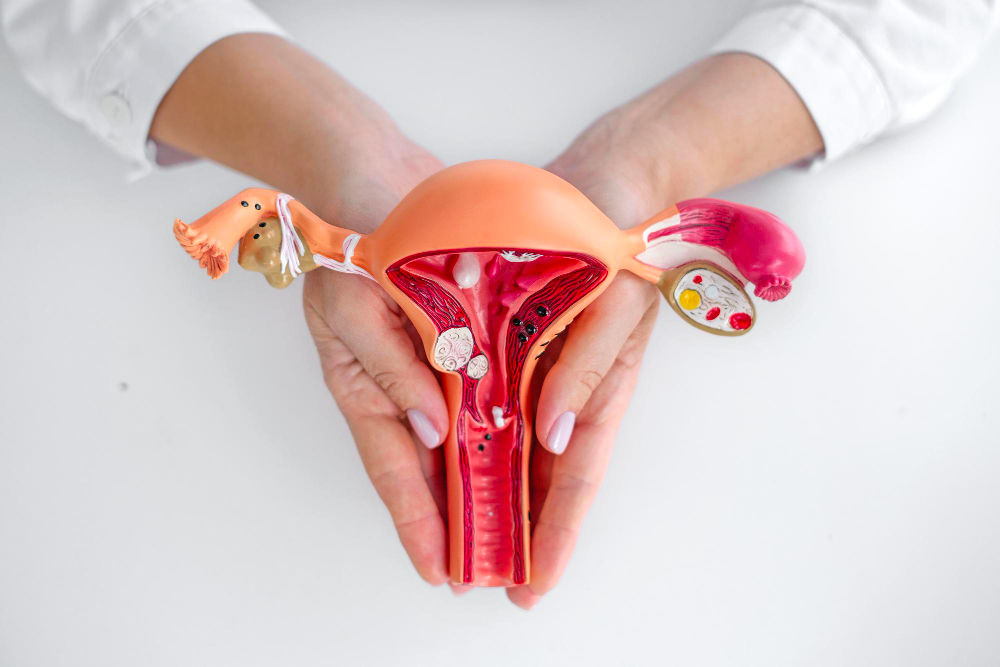
What is Thin Endometrium?
The endometrium is the inner lining of the uterus. It thickens each month to prepare for pregnancy. A thin endometrium means this lining is not thick enough. Usually, doctors consider an endometrial thickness of less than 7 mm as thin. This can make it harder for a fertilized egg to attach and grow. Many women wonder how thin endometrium and infertility are related. Understanding this connection is important for those trying to conceive.
How Thin Endometrium Affects Fertility
For pregnancy to happen, the uterine lining must be healthy and thick enough. However, a thin uterine lining can lower the chances of pregnancy. Even if an egg is fertilized, it may not implant well. As a result, women with thin endometrium may face repeated implantation failure. According to the World Health Organization (WHO), a healthy endometrial thickness for fertility is usually between 7 and 14 mm. Therefore, thin endometrium and infertility often go hand in hand.
Common Symptoms and Signs
Many women with thin endometrium do not notice any symptoms. Still, some signs may suggest a problem. For example, you might experience:
However, these symptoms can also occur with other conditions. So, it is important to see a doctor for proper diagnosis.
Causes and Risk Factors
Several factors can lead to a thin endometrium. Some common causes include:
In addition, lifestyle factors like smoking or poor nutrition can also affect the uterine lining. According to the CDC, maintaining a healthy lifestyle supports reproductive health.
Diagnosis and Medical Evaluation
Doctors use several methods to check endometrial thickness for fertility. Most often, a pelvic ultrasound measures the lining during the menstrual cycle. Sometimes, a doctor may order blood tests to check hormone levels. In rare cases, a biopsy or hysteroscopy helps find the cause. Early diagnosis is key to finding the right treatment for thin endometrium and infertility.
Treatment Options
There are several treatment options for thin endometrium. Your doctor will choose the best plan based on your needs. Common treatments include:
In some cases, treating underlying conditions can also help. For example, managing diabetes or thyroid problems may improve the uterine lining. Always discuss treatment for thin endometrium with a fertility specialist.
Lifestyle Tips and Prevention
Although not all causes can be prevented, some lifestyle changes may help. For instance:
Moreover, regular check-ups can help catch problems early. These steps may support a healthy endometrial thickness for fertility.
When to See a Doctor
If you have trouble getting pregnant or notice changes in your periods, see a doctor. Early evaluation can help find the cause and start treatment. In addition, if you have a history of uterine surgery or infections, let your doctor know. Remember, thin endometrium and infertility can often be managed with the right care.
In summary, thin uterine lining and pregnancy challenges are common but treatable. For the best results, consult a fertility specialist for personalized advice and support.